Your cart is currently empty!
Porn Image Generator: Comparing AI Options
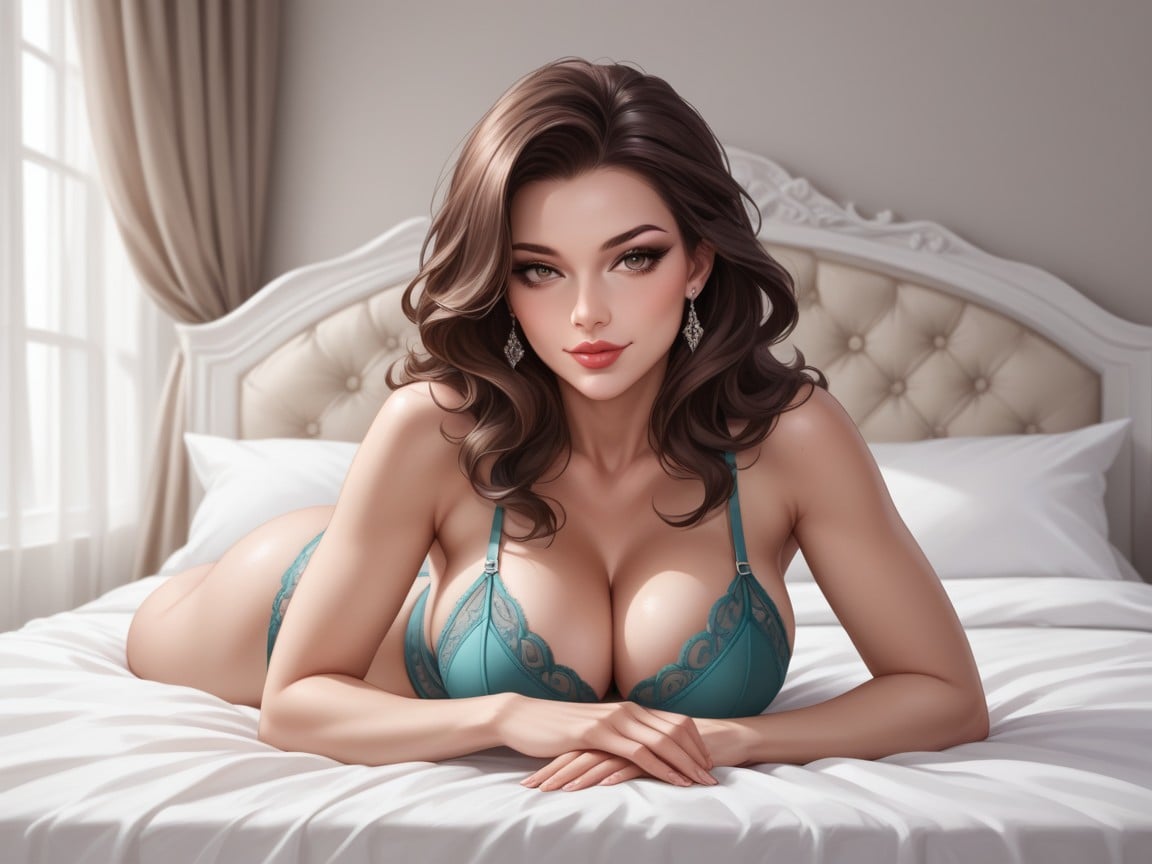
The landscape of digital content creation has been dramatically reshaped by advancements in artificial intelligence, with generative AI tools now capable of producing highly detailed and customized visuals. For those exploring the possibilities within adult entertainment, understanding the nuances of available platforms is crucial for achieving desired outcomes. When seeking specific types of adult imagery, many users find themselves investigating the capabilities of a dedicated porn image generator to see how it measures up against broader AI art suites. The ability to fine-tune parameters like style, subject matter, and specific motifs makes these tools increasingly sophisticated for specialized content needs.
Exploring the Power of a Porn Image Generator
The emergence of specialized AI tools designed to create adult-themed imagery has opened new avenues for both creators and consumers. These generators leverage complex algorithms trained on vast datasets, enabling them to produce visuals that often adhere to specific prompts and aesthetic preferences. Users can typically input descriptive text, specifying characters, settings, actions, and artistic styles to guide the AI’s output. This level of granular control allows for the generation of unique scenarios that might be difficult or impossible to capture through traditional means.
The effectiveness of any given porn image generator often hinges on its underlying model and the quality of its training data. Advanced platforms aim to provide realistic textures, accurate anatomy, and diverse stylistic options, ranging from photorealistic to highly stylized or fantastical. They represent a significant step forward in AI-driven creative expression, allowing for rapid iteration and exploration of visual concepts within a specific genre. Different generators may excel in different areas, such as generating specific body types, clothing styles, or intricate background details.
Key Features in AI Adult Content Generation
When evaluating different AI tools for generating adult imagery, several features stand out as critical for user satisfaction and creative flexibility. The ability to specify not just the subject but also the mood, lighting, and camera angles can profoundly impact the final result. Furthermore, options for refining generated images, such as inpainting or outpainting features, allow users to correct imperfections or expand the scene seamlessly. Understanding these core functionalities is key to unlocking the full potential of these advanced generators.
- Prompt understanding and interpretation
- Style transfer capabilities (e.g., anime, photorealistic, fantasy)
- Control over character features (hair color, body type, clothing)
- Scene composition and background detail
- Resolution and output quality options
- Negative prompting for excluded elements
Beyond basic image creation, many platforms offer advanced editing functionalities that allow users to iterate on their creations. This might include tools for adjusting facial expressions, modifying poses, or even generating variations based on an initial successful output. The user interface also plays a significant role; intuitive controls can make complex AI generation accessible to a broader audience, while more technical interfaces might appeal to users who want maximum control over every parameter. The goal is often to bridge the gap between an abstract idea and a concrete visual representation.
Comparing Porn Image Generator Technologies
The technological underpinnings of various porn image generator tools can differ substantially, impacting their performance, output quality, and the types of content they can produce. Some generators might rely on diffusion models, known for their high-quality, detailed outputs, while others might use Generative Adversarial Networks (GANs) or transformer-based architectures. Each approach has its strengths and weaknesses concerning image fidelity, processing speed, and the ability to follow complex prompts accurately.
| Technology Type | Strengths | Weaknesses | Typical Use Case |
|---|---|---|---|
| Diffusion Models | High detail, photorealism, complex scene generation | Slower generation times, computationally intensive | Realistic and intricate adult scenes |
| GANs | Faster generation, good for style transfer | Can suffer from mode collapse, less detail diversity | Quick, stylized adult character portraits |
| Transformer-based | Excellent prompt adherence, contextual understanding | Can require more data, output consistency varies | Custom adult narratives and character consistency |
Understanding these technological distinctions helps users make informed choices about which platform best suits their specific needs. A user prioritizing hyper-realistic textures and intricate environments might opt for a diffusion-model-based generator, whereas someone focused on rapid creation of stylized characters might find a GAN-based system more suitable. The evolution of these technologies means that capabilities are constantly improving, leading to more sophisticated and versatile tools for adult content creation.
The Future of AI-Generated Adult Visuals
The ongoing advancements in AI technology suggest a future where the creation of adult visuals becomes even more accessible, customizable, and sophisticated. We can anticipate improvements in realism, better control over narrative elements within images, and enhanced consistency in character generation across multiple outputs. Ethical considerations and responsible development will likely play an increasingly important role in shaping the industry’s trajectory, ensuring that these powerful tools are used appropriately.
As AI models become more adept at understanding nuanced artistic direction and user intent, the lines between human-created and AI-generated adult content may continue to blur. This evolution promises innovative possibilities for storytelling and artistic expression within the genre. Creators will likely have access to increasingly powerful tools that push the boundaries of visual imagination, making the exploration of niche aesthetics and complex scenarios more attainable than ever before.